Gentle, atraumatic tooth removal for non-restorable teeth, severe fractures, or advanced decay. We preserve surrounding bone and soft tissue for future tooth replacement.
👨⚕️ Clinically reviewed by Dr. Asad Ghafoor & Dr. Azka Zafar•📅 Updated: September 2026•🏥 Canal Road, Rahim Yar Khan
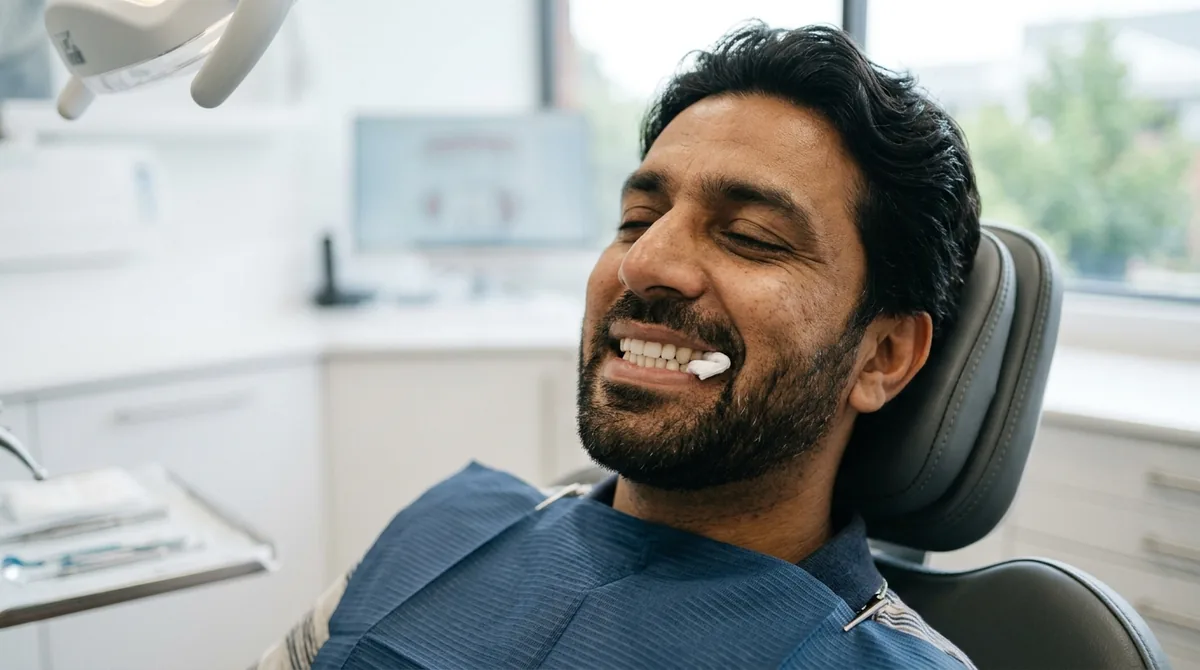
Photo: Gentle, atraumatic tooth extraction under local anaesthesia in Rahim Yar Khan. Representative clinical example. Individual anatomical results vary. [Real Premier Dental Care patient before & after photos will be published here with patient consent.]
📋
Quick Clinical Takeaways · Tooth Extraction in Rahim Yar Khan
Diagnostic StandardLow-Dose Digital X-Ray
SterilizationClass B Hospital Autoclave
Pain Management100% Gentle Local Care
Location & AccessCanal Rd, near Oxbridge
What Is a Tooth Extraction?
A tooth extraction is a gentle clinical procedure to remove a tooth from its dental alveolus (socket) when severe decay, trauma, or impaction makes preservation impossible. While our primary objective at Premier Dental Care is always to preserve natural teeth whenever biologically feasible, extraction is sometimes the healthiest path to relieve pain and prevent infection. Unrestorable deep root decay, vertical root fractures, advanced periodontal bone loss, or severe traumatic injury make extraction the healthiest clinical decision.
At our Canal Road clinic in Rahim Yar Khan, Dr. Asad Ghafoor and Dr. Azka Zafar perform extractions using modern atraumatic techniques. Rather than using brute force, we use micro-luxators and gentle periotomes to release the periodontal ligament fibers cleanly, minimizing trauma to the surrounding alveolar bone.
Extraction Procedures We Provide
We provide comprehensive simple and surgical tooth extractions:
Simple Non-Surgical Extractions
Atraumatic removal of visible, erupted teeth that cannot be restored with crowns or fillings.
Surgical Root Tip Extractions
Careful removal of broken root fragments fractured below the gumline.
Socket Preservation Bone Grafting
Placing bone graft particulate into the extraction socket immediately to prevent ridge collapse for future implants.
Profound Local Anesthesia
Computerized anesthetic delivery ensuring complete numbness throughout the procedure.
Sterile Post-Operative Hemostasis
Gelatin sponges and resorbable sutures to promote clean clot formation and rapid recovery.
The Atraumatic Extraction Procedure
1
Step 1: Diagnostic X-Ray
A periapical digital X-ray is taken to assess root number, curvature, and proximity to anatomical structures.
2
Step 2: Complete Numbing
Local anesthesia is administered to eliminate all pain sensation in the tooth and surrounding bone.
3
Step 3: Gentle Periotome Luxation
Ligaments holding the tooth are gently decoupled, allowing the tooth to be removed smoothly.
4
Step 4: Socket Debridement & Grafting
The socket is cleaned of inflammatory tissue and socket preservation grafting is completed if planned.
When Is an Extraction Necessary?
Extraction is considered a last resort when all restorative options have been exhausted.
✓Teeth with extensive decay extending deep below the alveolar bone crest.
✓Vertical root fractures that cannot be treated with root canal therapy.
✓Severe periodontal disease causing excessive mobility and complete bone loss.
✓Broken or traumatized teeth that have shattered beyond crown restorability.
Why Choose Premier Dental Care for Extractions
Atraumatic Extraction Philosophy
We prioritize bone preservation, meaning future implants or bridges will have an ideal foundation.
Painless Experience
We test numbness thoroughly before beginning — you feel firm pressure, never sharp pain.
Immediate Replacement Planning
We discuss replacement options (dental implants or bridges) beforehand so you never have to face missing teeth unprepared.
Frequently Asked Questions
Do you treat wisdom tooth pain and perform extractions?
Yes. We assess impacted or painful wisdom teeth and perform both simple and surgical extractions, including wisdom teeth and broken or non-restorable teeth.
Will I feel pain during a tooth extraction?
No. With proper local anesthesia, you will feel only mild pressure and movement, but zero sharp pain. We never proceed until you are 100% numb.
What should I eat after an extraction?
Stick to cool, soft foods (yogurt, custard, khichdi, mashed potatoes, ice cream) for the first 24 to 48 hours. Avoid hot liquids and spicy or crunchy foods.
What is socket preservation and why is it recommended?
When a tooth is removed, the surrounding jawbone naturally shrinks by 30–50% within months. Placing a small bone graft immediately preserves ridge height and width for a future dental implant.