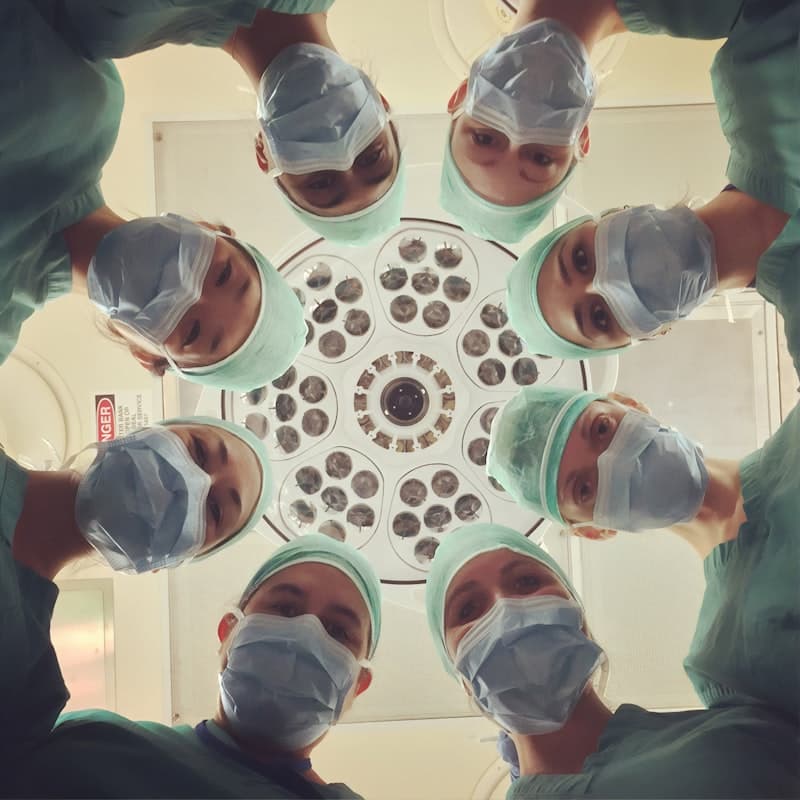
Skilled minor oral surgical procedures performed under sterile operating protocols. From surgical extractions and frenectomies to apicoectomies.
Photo: Oral surgery and surgical dental procedures at Premier Dental Care in Rahim Yar Khan. Representative clinical example. Individual anatomical results vary. [Real Premier Dental Care patient before & after photos will be published here with patient consent.]
What Is Minor Oral Surgery?
Oral surgery encompasses specialized surgical procedures involving the teeth, gums, jawbones, and surrounding oral tissues. These procedures address conditions that cannot be managed through non-surgical dental techniques alone, such as complex impactions, persistent root-end infections, restrictive soft tissue attachments, and benign lesions.
At Premier Dental Care in Rahim Yar Khan, Dr. Asad Ghafoor brings extensive surgical expertise gained at Punjab Dental Hospital Lahore and Nishtar Dental Hospital Multan, alongside advanced surgical fellowship training. We perform minor oral surgical procedures under strict sterile protocols, ensuring patient safety and rapid healing.
Oral Surgical Procedures We Perform
Our surgical suite is equipped for precise, sterile minor oral operations:
Surgical Extraction of Impacted Teeth
Disimpaction of deeply embedded third molars, canines, and supernumerary teeth.
Apicoectomy (Endodontic Microsurgery)
Surgical resection of persistent root-end infections following prior root canal therapy.
Frenectomy (Tongue-Tie & Lip-Tie Release)
Conservative surgical release of restrictive lingual or labial frenums in children and adults.
Alveoloplasty & Ridge Smoothing
Surgical contouring of sharp alveolar bone edges prior to denture fabrication.
Cyst Enucleation & Biopsy
Removal of radicular cysts and diagnostic sampling of suspicious oral mucosa lesions.
The Oral Surgery Protocol
1
Step 1: Pre-Surgical Radiographic Planning
Digital radiography and 3D imaging map anatomical structures, nerve canals, and sinus boundaries.
2
Step 2: Sterile Operatory Setup
Class B autoclaved surgical instruments, sterile drapes, and profound local anesthesia.
3
Step 3: Precision Surgical Execution
Gentle surgical incision, bone modification, and targeted pathology removal with minimal tissue disruption.
4
Step 4: Microsurgical Suturing
Clean closure using resorbable sutures and detailed recovery prescriptions for swift, uncomplicated healing.
Who Requires Oral Surgery?
Oral surgery is prescribed for structural, infectious, or developmental oral conditions requiring surgical resolution.
✓Patients with severely impacted teeth causing bone damage or cysts.
✓Teeth with persistent root-tip infections that have not resolved after conventional root canals.
✓Children or adults with tongue-tie causing speech or feeding difficulties.
✓Denture candidates with sharp, irregular bone ridges that prevent comfortable plate seating.
Why Choose Premier Dental Care for Oral Surgery
Extensive Hospital Surgical Background
Dr. Asad Ghafoor has performed thousands of oral surgical procedures at premier dental institutions.
Hospital-Grade Sterilisation
Rigorous Class B autoclave protocols and sterile disposable barriers eliminate infection risks.
Attentive Post-Surgical Support
We provide comprehensive follow-up check-ups to monitor healing and suture dissolution.
Frequently Asked Questions
Is oral surgery performed in the clinic or in a hospital?
Minor oral surgeries (extractions, apicoectomies, frenectomies) are performed comfortably right in our outpatient surgical suite under local anesthesia.
How should I prepare for oral surgery?
Eat a light meal beforehand, take any prescribed medications as directed, and arrange for someone to accompany you home if preferred.
What is an apicoectomy and when is it needed?
An apicoectomy is root-end surgery. If an infection persists at the tip of a root after a root canal, we surgically access the root tip, remove the infected tissue, and place a retrograde seal.