Mon – Sat: 10:00 AM – 8:30 PMCanal Road, near Oxbridge School, Rahim Yar Khan
HomeAboutServicesTeamBlogTestimonialsFAQContact
Book Appointment
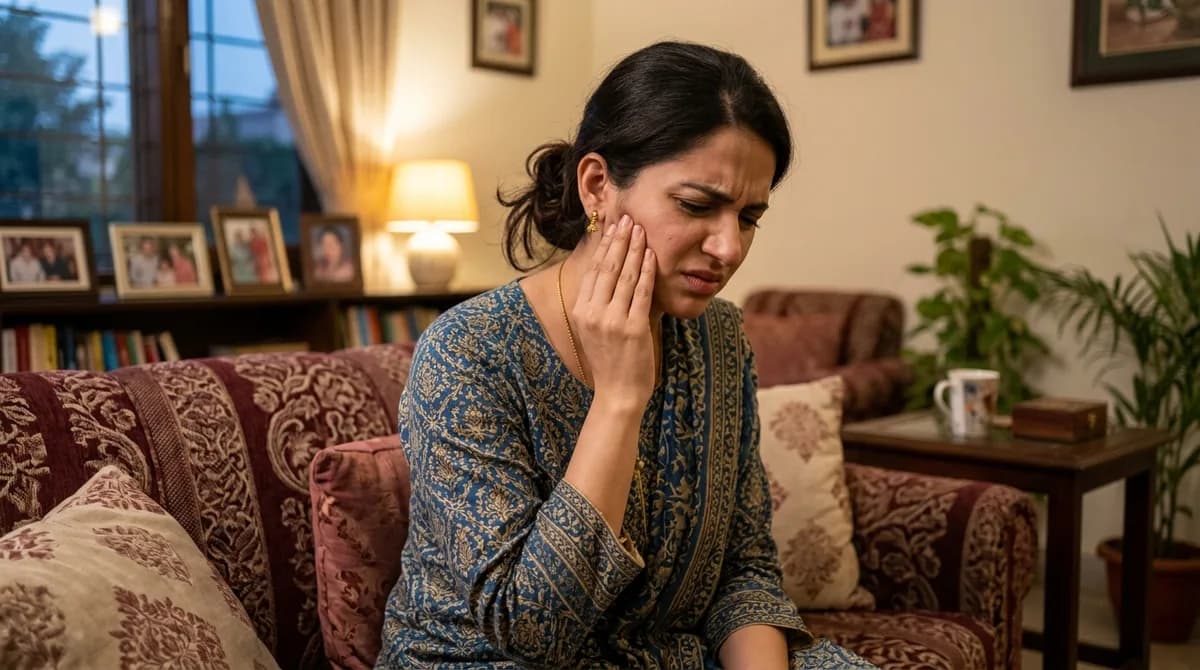
Temporomandibular joint TMJ assessment and jaw pain diagnosis in Rahim Yar Khan
Photo: Temporomandibular joint TMJ assessment and jaw pain diagnosis in Rahim Yar Khan.
Representative clinical example. Individual anatomical results vary. [Real Premier Dental Care patient before & after photos will be published here with patient consent.]

What Is a TMJ Assessment & TMD?

A TMJ assessment is a specialized diagnostic evaluation of your temporomandibular jaw joints, chewing musculature, and bite alignment to identify and treat jaw clicking, pain, and dysfunction. The temporomandibular joints connect your lower jaw (mandible) to the temporal bones of your skull, facilitating complex chewing, speaking, and yawning movements. Temporomandibular joint disorder (TMD) occurs when the joint disc becomes displaced, inflammatory arthritis affects the joint capsule, or masticatory muscles develop severe chronic spasm.

Common symptoms include clicking or popping sounds when opening your mouth, painful chewing, limited mouth opening (jaw locking), dull facial aching, and tension headaches. At Premier Dental Care in Rahim Yar Khan, our certified dentists provide structured TMJ diagnostic evaluations and conservative, non-invasive therapies to relieve jaw pain.

What's Included in Our TMJ Assessment?

Our comprehensive TMJ examination covers both musculoskeletal and joint disc dynamics:

Bilateral Joint Palpation & Auscultation

Assessing joint tenderness, crepitus (grating sounds), and clicking during opening and closing cycles.

Masticatory Muscle Palpation

Checking masseter, temporalis, and pterygoid trigger points responsible for referred headaches.

Range-of-Motion Mandibular Mapping

Measuring maximum interincisal opening (MIO), lateral excursions, and mandibular deviation.

Custom Splint / Deprogrammer Therapy

Designing customized anterior deprogrammers or stabilization splints to relieve joint compression.

Conservative Physical & Behavioral Therapy

Jaw exercises, heat therapy, and dietary modifications designed to decompress strained joints.

The TMJ Diagnostic & Relief Protocol

1

Step 1: Symptom Review & History

We discuss when your jaw clicking or pain started, sleep habits, teeth clenching, and headache frequency.

2

Step 2: Clinical Palpation & Joint Mapping

We palpate the TMJ joints and head/neck muscles while observing your mandibular opening trajectory.

3

Step 3: Occlusal Relationship Check

We check how your bite contacts relate to your condylar joint seating in the glenoid fossa.

4

Step 4: Conservative Treatment Implementation

We fit a custom nocturnal splint and prescribe targeted jaw decompression exercises for rapid relief.

Who Needs a TMJ Assessment?

A TMJ assessment is recommended for anyone experiencing discomfort or dysfunction in their jaw joints.

  • People with clicking, popping, or grating sounds in one or both jaw joints when chewing.
  • Individuals whose jaw gets stuck, catches, or locks when opening wide.
  • Patients waking up with dull morning headaches, temple tension, or stiff jaw muscles.
  • Chronic teeth grinders (bruxers) who clench their teeth during sleep or stress.

Why Choose Premier Dental Care for TMJ Disorders

Orthodontic Occlusal Expertise

As certified orthodontists, Dr. Asad Ghafoor and Dr. Azka Zafar understand the complex relationship between bite and joint function.

Strictly Conservative Therapy

We avoid invasive joint surgeries, relying on proven reversible splints, bite balancing, and muscle decompression.

Custom Laboratory Splints

Our splints are precision-milled from rigid dental acrylic, offering superior relief compared to soft over-the-counter guards.

Frequently Asked Questions

Is jaw clicking always dangerous?

Occasional painless clicking without jaw locking or discomfort is common and usually benign. However, if clicking is accompanied by pain, stiffness, or restricted opening, a clinical evaluation is essential.

How does a custom night splint help TMJ pain?

A custom splint provides an ideal flat bite surface that disengages overactive clenching muscles, allowing the jaw joints to settle into a decompressed, relaxed position.

Can stress cause TMJ pain?

Yes! High stress frequently triggers unconscious clenching and grinding (bruxism) during the day and night, severely straining the TMJ muscles.

See all FAQs →
Canal Road, Rahim Yar Khan

Ready to Start Your Smile Transformation?

Book an honest, comprehensive consultation with Dr. Asad Ghafoor and Dr. Azka Zafar. We explain what's actually needed before any treatment begins.

Book Consultation💬 WhatsApp Us📞 Call +92 321 7179967
Chat with us!